Dehydrated vegetables are widely used in food manufacturing, ready meals, seasoning blends, and global exports due to their long shelf life and easy storage.
But one of the most common questions is:
How long do dehydrated vegetables last?
How Long Do Dehydrated Vegetables Last?
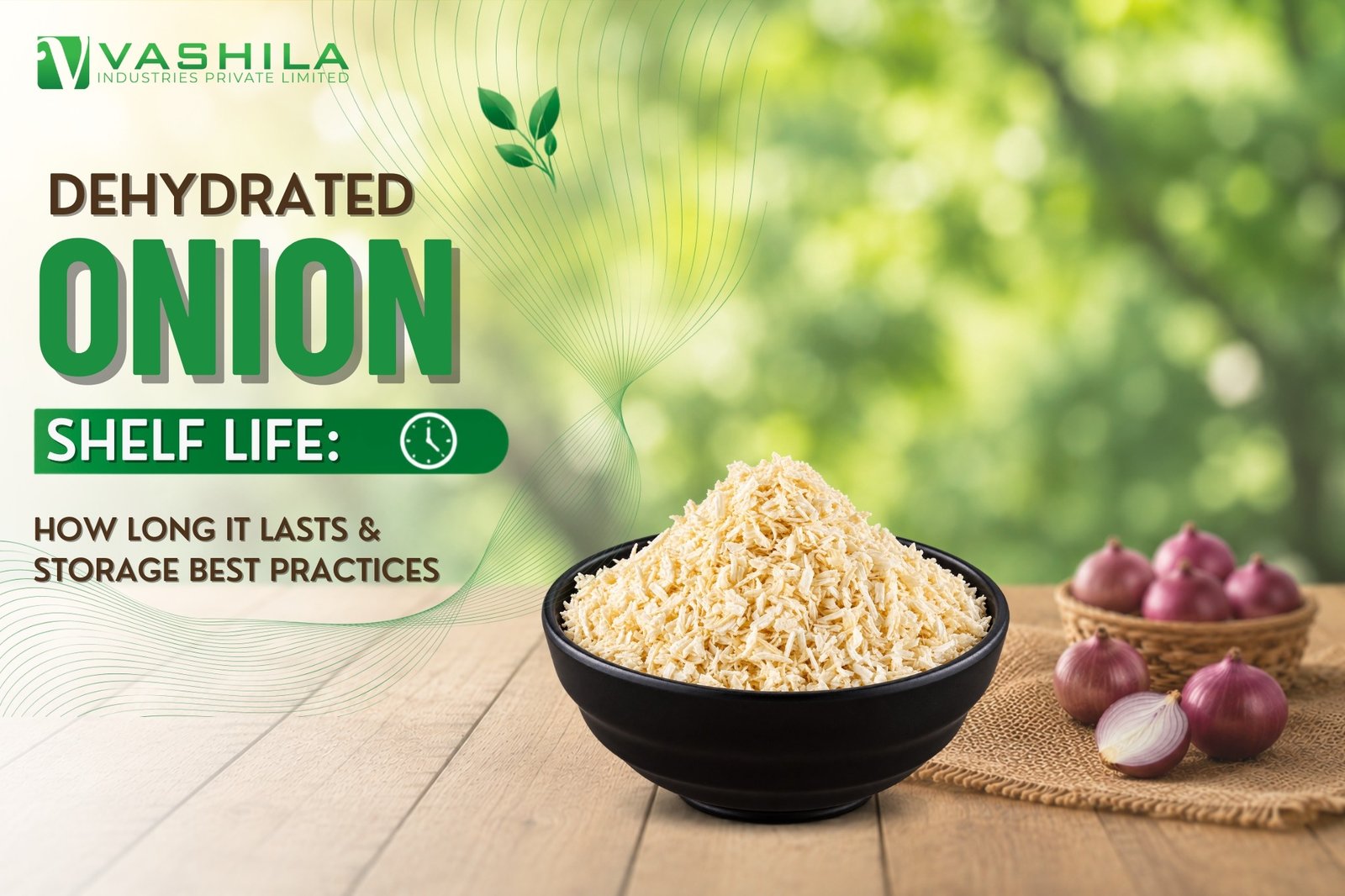
Dehydrated vegetables typically last 6 months to 2 years when stored in a cool, dry, and airtight environment.
- Standard storage: 6–12 months
- Sealed packaging: up to 24 months
- Industrial-grade storage: 24+ months
The shelf life depends mainly on moisture control, packaging quality, and storage conditions.
Quick Answer
Dehydrated vegetables last 6–24 months depending on storage conditions. Proper packaging, low moisture content, and cool storage can extend shelf life significantly.
What Affects the Shelf Life of Dehydrated Vegetables?
1. Moisture Content
Moisture is the biggest factor affecting shelf life.
- Lower moisture → longer shelf life
- Higher moisture → spoilage risk
Proper drying using the science behind the dehydrating food process ensures stability and prevents microbial growth.
2. Storage Conditions
Ideal storage conditions include:
- Cool temperature
- Low humidity
- No direct sunlight
- Airtight containers
Even high-quality dehydrated products can spoil if exposed to moisture.
3. Packaging Quality
Packaging plays a critical role in preserving shelf life.
Common industrial methods:
- Vacuum packaging
- Moisture-proof bags
- Nitrogen flushing
These methods protect products during long-term storage and export.
4. Type of Vegetable
Different vegetables have different shelf lives based on structure and moisture levels.
Shelf Life of Common Dehydrated Vegetables
| Vegetable | Shelf Life |
|---|---|
| Dehydrated onion | 12–24 months |
| Dehydrated garlic | 12–24 months |
| Dehydrated potato | 6–12 months |
| Dehydrated carrot | 6–12 months |
Vegetables like onions and garlic last longer because they retain moisture more effectively during processing.
How to Store Dehydrated Vegetables Properly
To maximize shelf life:
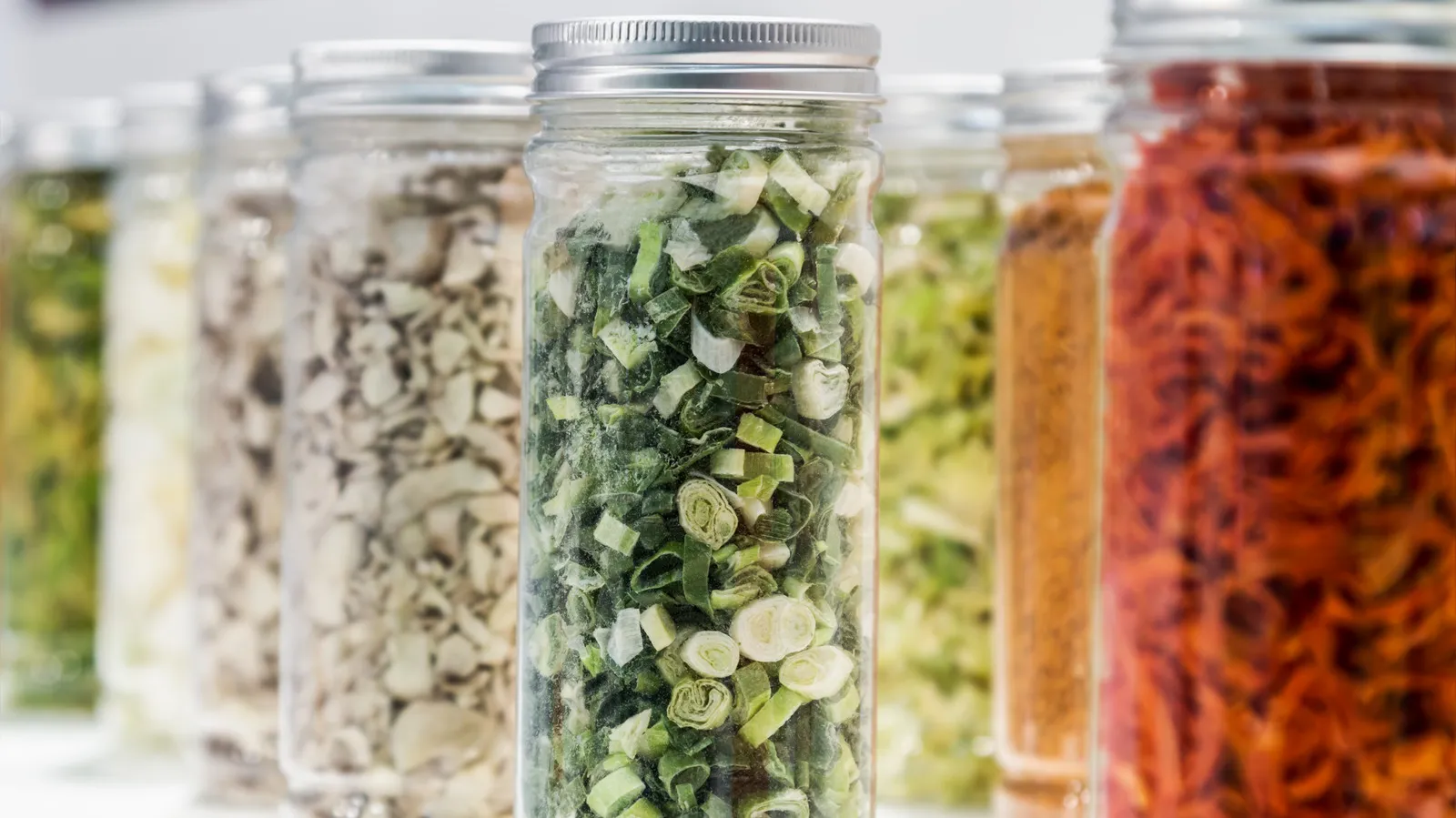
✔ Store in airtight containers
✔ Keep in cool, dry place
✔ Avoid humidity and moisture
✔ Use moisture absorbers if needed
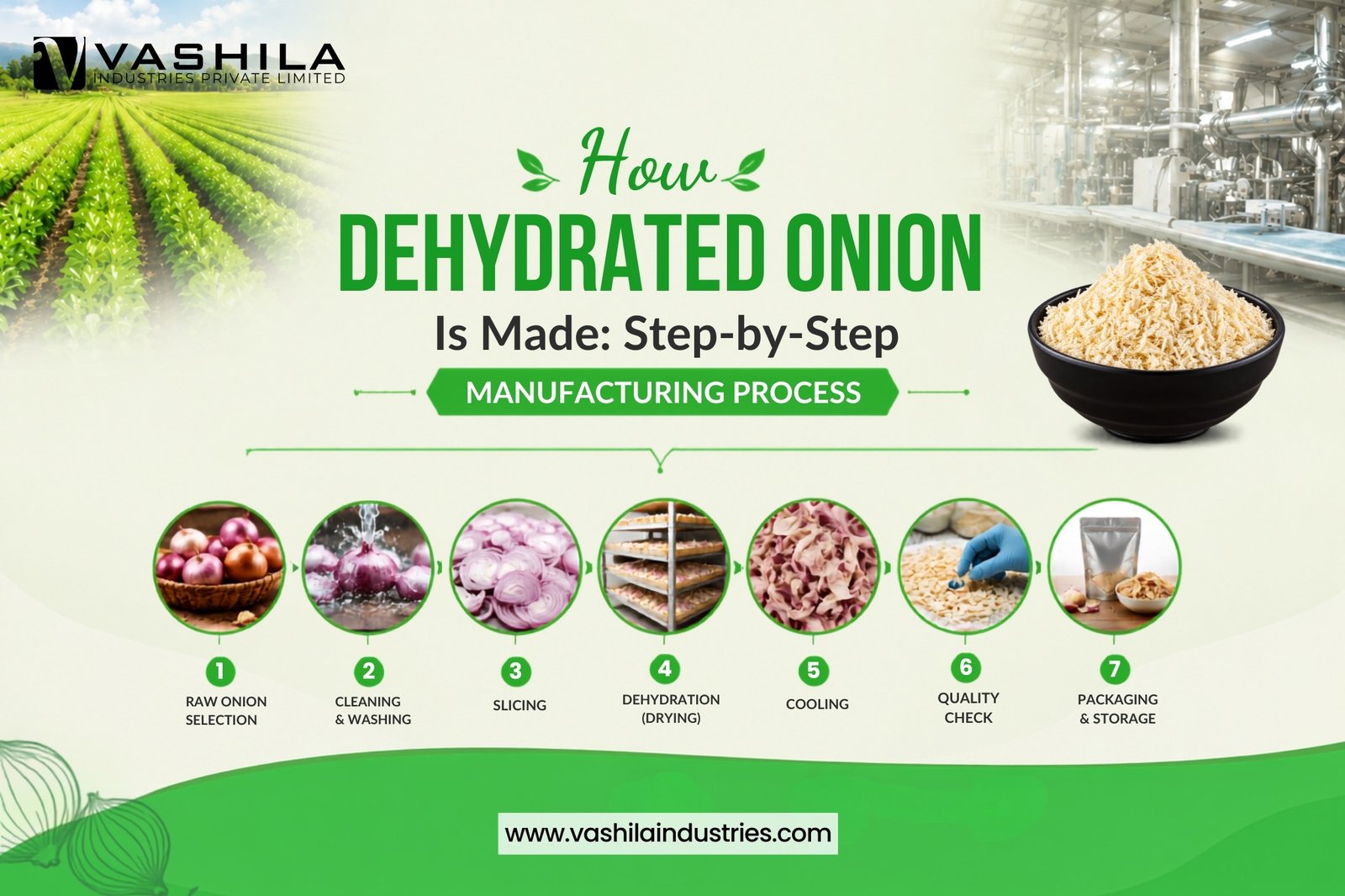
For better understanding, refer to the dehydrated onion manufacturing process, which ensures long shelf stability.
Signs Dehydrated Vegetables Have Gone Bad

Check for these signs:
- Unusual or sour odor
- Discoloration
- Clumping due to moisture
- Mold growth
If any of these appear, the product should not be used.
Why Dehydrated Vegetables Last Longer Than Fresh
Fresh vegetables contain high water content, making them prone to spoilage.
Dehydration removes moisture, which:
- slows bacterial growth
- extends shelf life
- reduces storage cost
- improves transport efficiency
This is why dehydrated vegetables are widely used in global food exports and processing industries.
Role of Shelf Life in Food Industry
Shelf life is critical for:
- export planning
- inventory control
- cost management
- product consistency
Food manufacturers prefer dehydrated vegetables because they offer:
- long-term stability
- predictable quality
- easy handling
Similar to onions, different dried garlic varieties used in FMCG products also provide long shelf life and consistent performance.
People Also Ask
Do dehydrated vegetables expire?
Yes, dehydrated vegetables can expire if exposed to moisture, air, or improper storage conditions. Proper packaging and storage can significantly extend their shelf life.
Can dehydrated vegetables last 5 years?
In standard conditions, most dehydrated vegetables last up to 2 years. With advanced industrial packaging and controlled environments, shelf life can extend beyond that.
How do you know if dehydrated vegetables are bad?
Signs include odor changes, discoloration, clumping, or mold formation. These indicate moisture exposure and spoilage.
Do dehydrated vegetables need refrigeration?
No, dehydrated vegetables do not require refrigeration if stored in a cool, dry place in airtight containers.
If you’re wondering how long dehydrated vegetables last, the answer is typically between 6 months and 2 years, depending on storage conditions. Keeping them in airtight containers away from moisture helps extend their shelf life.
Dehydrated vegetables are a reliable and long-lasting solution for food processing and storage. Their shelf life depends on moisture control, packaging, and storage conditions.
With proper handling, these products can maintain quality for up to two years, making them ideal for both household use and industrial applications.
Frequently Asked Questions
How long do dehydrated vegetables last?
Dehydrated vegetables typically last 6 months to 2 years when stored in a cool, dry, and airtight environment. Proper packaging and low moisture levels help extend their shelf life and maintain product quality.
Do dehydrated vegetables expire?
Yes, dehydrated vegetables can expire if exposed to moisture, air, or improper storage conditions. Although they last longer than fresh vegetables, poor handling can reduce their shelf life.
Can dehydrated vegetables last more than 2 years?
In standard conditions, dehydrated vegetables last up to 24 months. However, with advanced industrial packaging such as vacuum sealing or nitrogen flushing, they can last longer under controlled environments.
How do you store dehydrated vegetables for long shelf life?
Dehydrated vegetables should be stored in airtight containers in a cool, dry place away from sunlight and humidity. Using moisture-proof packaging helps maintain freshness and extend shelf life.
Do dehydrated vegetables need refrigeration?
No, dehydrated vegetables do not require refrigeration. They can be stored at room temperature as long as they are kept in dry and airtight conditions.
How can you tell if dehydrated vegetables have gone bad?
Signs of spoilage include unusual odor, discoloration, clumping, or mold growth. These indicate moisture exposure, and the product should not be used.
Why do dehydrated vegetables last longer than fresh vegetables?
Dehydrated vegetables last longer because moisture is removed during processing. This prevents microbial growth and slows down spoilage, making them more stable for storage and transport.
What is the shelf life of dehydrated onion and garlic?
Dehydrated onion and garlic typically last 12 to 24 months when stored properly. Their low moisture content allows them to maintain quality for longer periods compared to other vegetables.
Can dehydrated vegetables lose quality over time?
Yes, while dehydrated vegetables may still be safe to use, their flavor, color, and nutritional value can gradually decline over time, especially if not stored properly.