Breaking Up with Caffeine: Why Many Are Exploring Caffeine-Free Alternatives
Caffeine has long been part of daily routines, especially through coffee and tea. However, changing lifestyles, evolving preferences, and growing awareness around ingredient choices have led many people to explore caffeine-free alternatives that still offer a satisfying experience.
This article looks at why people are rethinking caffeine consumption and how alternatives like chicory fit into this shift.
Why People Are Reducing Caffeine Intake
There is no single reason behind the move away from caffeine. Instead, it reflects a combination of personal preference and lifestyle choices, such as:
-
Desire for more balanced daily routines
-
Avoiding late-day stimulation
-
Seeking beverage variety beyond coffee and tea
-
Interest in plant-based, non-stimulant options
For many, the goal is moderation—not elimination.
What Happens When You Reduce Caffeine?
Reducing caffeine often leads people to search for beverages that still feel familiar. Taste, warmth, and ritual play an important role in this transition.
This is where roasted, caffeine-free ingredients become relevant—not as replacements, but as alternatives that fit new consumption patterns.
Chicory as a Caffeine-Free Beverage Option
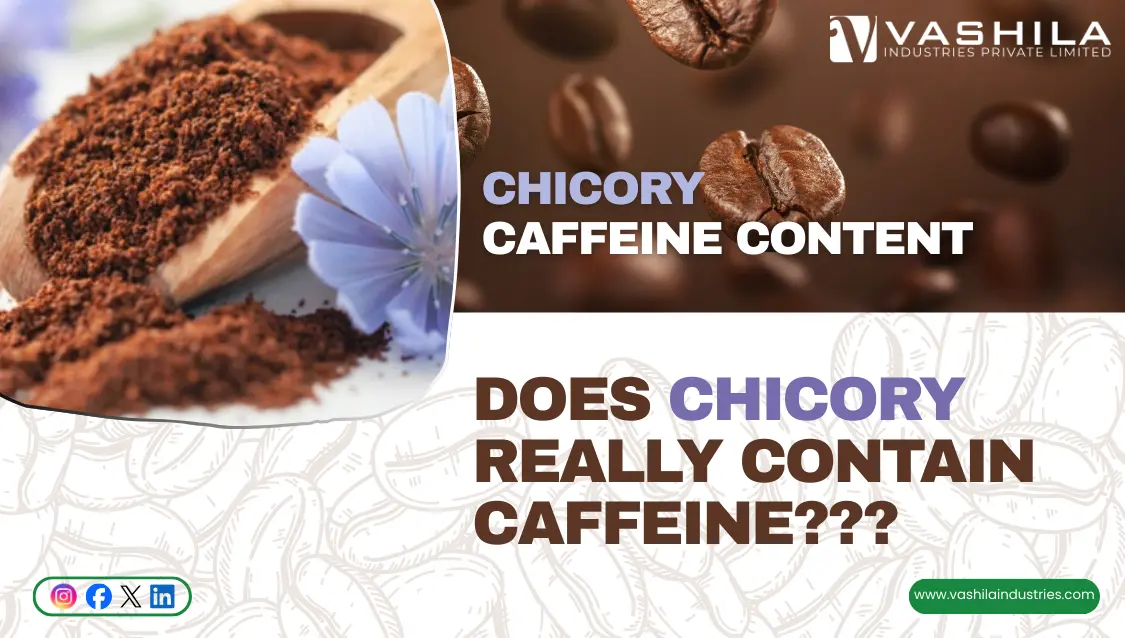
Roasted chicory has a bold, roasted character that makes it suitable for those exploring caffeine-free drinks. Unlike coffee, chicory does not stimulate the nervous system, yet it delivers a rich flavor experience.
Chicory is commonly used:
-
As a standalone brewed beverage
-
In blends with coffee
-
In instant drink formulations
Its versatility makes it appealing during caffeine reduction journeys.
Taste Expectations and Preparation
Understanding flavor expectations is essential. Chicory offers:
-
Earthy, roasted bitterness
-
Lower acidity than coffee
-
A fuller mouthfeel when brewed correctly
Preparation methods influence the experience, and blending ratios can be adjusted based on individual preference.
Chicory Formats Used in Caffeine-Free Drinks
Caffeine-free beverages use chicory in various formats:
-
Roasted Chicory Powder – Common in instant mixes and brewed drinks
-
Granulated Chicory – Used for brewing and blending
Each format supports different preparation styles and product applications.
Chicory Beyond Individual Consumption
Beyond home use, chicory plays an important role in commercial beverage formulation. Coffee brands and manufacturers use chicory to:
-
Offer caffeine-reduced product lines
-
Maintain roasted flavor profiles
-
Provide variety to consumers
Final Thoughts
Breaking up with caffeine doesn’t require abandoning familiar routines. For many, it’s about finding alternatives that align with evolving preferences while preserving flavor and comfort.
Caffeine-free ingredients like chicory provide flexibility, choice, and continuity in modern beverage consumption.
To explore chicory products, processing methods, applications, and global sourcing in one place, refer to our complete Chicory Guide.
Frequently Asked Questions
Does reducing caffeine mean giving up coffee entirely?
No. Many people simply adjust intake or explore blends and alternatives.
Is chicory naturally caffeine-free?
Yes. Chicory does not contain caffeine.
Does chicory taste the same as coffee?
It has a similar roasted bitterness but a different overall profile.
Can chicory be blended with coffee?
Yes. Chicory is commonly used in blends to reduce caffeine content.